
At a Glance:
1. Crime Deterrence: The First Line of Defense
2. 24/7 Professional Monitoring: Your Always-On Security Team
3. Smart Home Integration: Control at Your Fingertips
4. Real-Time Alerts and Emergency Response: Know Immediately
5. Financial Benefits: Protection That Pays for Itself
Why Trust Smart Automation Solutions
Imagine returning from vacation to a home just as you left it, plants watered, doors locked, and real-time alerts keeping you informed. Good home security systems make this possible, combining advanced tech with practical protection. But with countless options, how do you choose? It’s about more than gadgets; it’s about measurable safety and lasting peace of mind. Here are five key reasons to get a home security system that truly protects what matters most.
Secure Your Home for Peace of Mind
Unsure if home monitoring is worth it? Consult a home security expert at Smart Automation Solutions in Gaithersburg, MD. We'll help you understand the service and determine if it's suitable for your home.
Learn More About Home Security Monitoring1: Crime Deterrence: The First Line of Defense
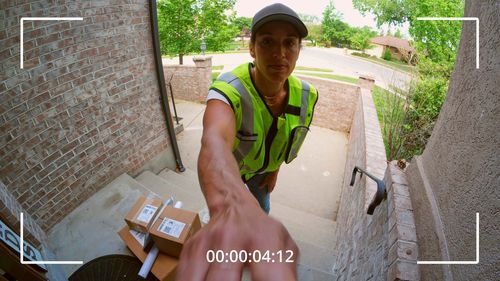
Burglary prevention starts with visibility. Research from UNC Charlotte found nearly 60% of burglars avoid homes with visible security cameras or alarms. A good home security system acts as an invisible barrier, deterring crime before it starts.
One of the top reasons for home security cameras is security. This and other benefits go beyond individual homes. A Rutgers study showed that as security systems increase in a neighborhood, crime rates drop for everyone—creating a community safety ripple effect.
Take the Johnson family in Atlanta. After installing cameras and security signs, package theft stopped, and neighbors reported fewer incidents too. Burglary prevention doesn’t just protect one home; it strengthens entire communities. Pairing security solutions with smart features for your home can make living more comfortable without compromising safety.
Practical Deterrence Checklist
Thinking about how to get the most out of good home security systems? The goal is to make your home look like too much trouble for a potential intruder.
Here's a simple checklist for maximum deterrence:
- Install visible cameras at main entry points like the front door, back door, and garage.
- Display security signs and window decals where they can be easily seen.
- Choose cameras with night vision to ensure you have 24/7 visibility.
- Position motion-sensor lights to illuminate anyone approaching your doors.
- Use a smart doorbell camera to signal that you have real-time monitoring.
The psychology here is simple. Criminals weigh risk against reward. When visible security measures dramatically increase the risk of getting caught, the potential reward is no longer worth it. Looking at crime statistics alone, the answer to is a home security system is worth it becomes a clear yes.
2: 24/7 Professional Monitoring: Your Always-On Security Team

Imagine a team of security professionals protecting your home 24/7. That’s the key advantage of home security system 2026 technology with professional monitoring.
Monitoring centers work around the clock, responding immediately to emergencies. When alarms trigger, specialists assess the situation, contact homeowners, and dispatch authorities if needed. The speed of a professionally monitored response can prevent a burglary before it happens.
Take the Martinez family in Phoenix. Their system detected motion at the back door while they slept. Within 30 seconds, the monitoring center alerted them and sent police, who arrived in four minutes. The burglar fled before entry, and the family stayed safe, proof of peace of mind home security in action. Security systems work well with controlled lighting systems for maximum surveillance and detection.
Learn more: 2026 Smart Home Trends: Must-Have Automation Upgrades
What Professional Monitoring Includes
Modern professional monitoring covers far more than just break-ins. It's a comprehensive safety net for your entire home.
- Intrusion detection: Sensors on doors, windows, and motion detectors trigger an immediate response.
- Fire and smoke monitoring: Heat and smoke sensors alert both you and the fire department, often before you're even aware of the danger.
- Carbon monoxide detection: This provides crucial protection from the "silent killer" with automatic emergency dispatch.
- Medical emergency response: Panic buttons and medical alert integration offer an essential lifeline for elderly or vulnerable family members.
- Water leak detection: Early warning systems can prevent costly flood damage by catching leaks before they become disasters.
The monitoring aspect of good home security systems becomes particularly valuable for families with elderly relatives, those with medical conditions, or people who travel frequently. It's not paranoia; it's practical protection that functions even when homeowners can't respond for themselves. It is important that these systems are installed by professionals who know what they're doing, and that's where Smart Automation Solutions excel.
One crucial advantage involves vacation security. Think about a family that travels internationally for work several times a year. Their professional monitoring service can check in during extended absences, respond to alerts, and even coordinate with trusted neighbors if a physical check is needed. That's the kind of comprehensive protection that transforms security from reactive to proactive.
3: Smart Home Integration: Control at Your Fingertips

The convergence of security and smart home technology has transformed good home security systems. These systems now offer control over your home from anywhere via intuitive smartphone apps. Lock doors, turn on lights, and adjust thermostats remotely with ease.
Modern good home security systems go further, learning homeowner routines and adapting automatically. Geo-fencing arms or disarms systems as residents come and go, while smart cameras recognize family, regular visitors, and strangers, sending tailored alerts.
How Smart Integration Works for Families
A typical weekday morning for a tech-integrated household showcases the seamless functionality of smart home systems:
- 6:30 AM: Smart thermostat warms the home before anyone wakes.
- 7:15 AM: Security system disarms as the first family member heads downstairs.
- 8:30 AM: Garage camera confirms kids have left for school safely.
- 9:00 AM: System arms automatically after the last family member departs.
- 3:45 PM: Doorbell camera notifies parents when kids arrive home from school.
- 6:30 PM: Smart locks confirm all doors are secured for the evening.
This level of integration turns home security systems for families into more than just protection tools. They act as home management systems, streamlining daily routines, enhancing efficiency, and providing peace of mind through real-time updates.
The Thompson family in Seattle takes these smart features a step further to care for their elderly mother, who lives with them. Motion sensors track movement inside the house, and if she hasn’t moved by 10 AM, the system sends an alert to her adult children. This thoughtful safety integration offers both independence and security, allowing the family to stay connected without unnecessary intrusion.
Learn more: Professional Home Theater Installation Benefits Explained
4: Real-Time Alerts and Emergency Response: Know Immediately
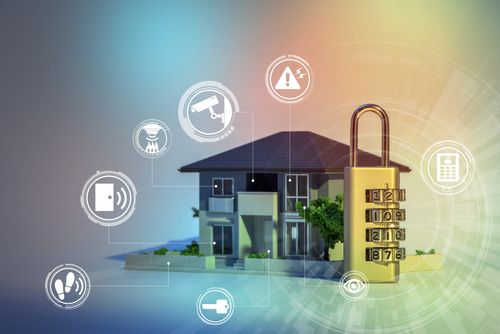
When emergencies happen, every second matters. A quick response can prevent a small kitchen fire from turning into a destroyed home. That’s why real-time alerts and rapid emergency response are key reasons to get a home security system.
Modern systems notify your smartphone the moment unusual activity is detected, including:
- Open doors or windows
- Motion in restricted areas
- Smoke, fire, or carbon monoxide
- Water leaks
- Glass-break detection
- Panic button activation
The true advantage comes from pairing alerts with professional monitoring. For example, if a smoke detector triggers, you receive an alert, view live footage, and monitoring services dispatch help immediately. This layered protection stops problems before they escalate.
Emergency Response That Actually Works
When considering why to invest in quality home security versus budget options, the reliability of the emergency response is a key differentiator. Quality systems offer superior features:
- Cellular backup communication: Alerts are transmitted via cellular networks if the internet fails.
- Battery backup power: The system remains active during power outages.
- Crash and smash protection: An alert is sent even if an intruder tries to destroy the panel.
- Environmental hazard detection: Monitoring extends beyond security to life-safety threats like fire or leaks.
- Medical emergency integration: Wearable panic buttons assist elderly or at-risk individuals.
For example, the Wilson family’s good home security systems stayed online during a power outage caused by a storm. When a tree branch damaged their roof, moisture sensors detected a leak in the attic and sent an alert, preventing far worse water damage.
This level of comprehensive protection turns the abstract idea of peace of mind into a tangible reality. It allows you to live your life with the confidence that if something goes wrong, you will be notified instantly and help will be dispatched.
5: Financial Benefits: Protection That Pays for Itself

Here's where the conversation shifts from safety to savings. Many homeowners don't realize that good home security systems often pay for themselves through multiple financial benefits. It's not just about protection, it's about smart economics.
Insurance Premium Discounts
Insurance companies reward risk reduction. Monitored security systems lower the chances of burglaries and fires, so most insurers offer premium discounts from 5% to 20%. A homeowner paying $1,500 annually could save $225 a year with a 15% discount. Over a decade, those savings can exceed the system's cost.
The more sensors you have, for water leaks, smoke, or carbon monoxide—the more you can save. Some providers offer separate discounts for each, compounding the savings.
Increased Home Value
Real estate professionals consistently report that homes with installed security systems sell faster and command higher prices than comparable properties without them. Buyers value homes where security infrastructure is already in place, eliminating the hassle and expense of installation. This becomes particularly important in competitive markets where every advantage matters.
The Patterson family in Denver installed a comprehensive security system three years before selling their home. When listing the property, their realtor highlighted the integrated security as a premium feature. The home sold for $8,000 more than the initial comparable market analysis predicted, with buyers specifically noting the security system as a deciding factor between similar properties.
Reduced Replacement and Repair Costs
Good home security systems do more than protect your home from break-ins. They can help prevent costly damage and extend the lifespan of your appliances. Many expenses tied to homeownership only come to mind when it’s too late, but a well-designed security system can help you stay ahead. Here are some key ways these systems save money:
- Water damage prevention: Leak sensors can detect issues early, saving tens of thousands in flood damage repairs.
- Fire damage reduction: Early fire detection keeps damage limited to smaller areas.
- Theft prevention: Preventing theft means avoiding the cost of replacing stolen items.
- HVAC protection: Temperature monitoring prevents frozen pipes from bursting.
- Equipment longevity: Environmental sensors protect appliances from extreme conditions like high humidity or freezing temperatures.
These benefits go far beyond the upfront cost of a security system. For example, the Baker family avoided $15,000 in water damage when their system detected a slow leak behind their washing machine. The alert came before the leak could flood their basement, saving them thousands in repairs and stress. That single instance justified their investment for years to come.
When weighing the value of a home security system, it’s important to consider the expenses you may never have to face because of it. A good system isn’t just about peace of mind—it’s about real, measurable savings.
Long-Term Cost Analysis
Let's break down the realistic costs and benefits of home security systems:
Initial Investment:
- Professional installation: $300–$600
- Equipment costs: $200–$1,000 (varies by home size and features)
- Monthly monitoring: $20–$60
Annual Financial Benefits:
- Insurance discount (15% on $1,500 premium): $225
- Prevented issues (conservative estimate): $500
- Home value increase (amortized over ownership): $200
Net Result:
Many homeowners reach break-even within 2–3 years, after which the financial benefits start to add up. Beyond the numbers, the peace of mind that comes with reliable home security is invaluable to many families.
Choosing the Right System for Your Family's Needs
Now that the benefits of home security system 2026 are clear, how do families select the right setup? The answer depends on specific circumstances, property characteristics, and personal priorities. At Smart Automation Solutions, we help you set up your surveillance systems as well as other solutions that your home needs.
Assessment Checklist
Before purchasing a home security system for families, it’s important to evaluate several key factors to ensure the system meets your needs. Below is a breakdown of what to consider:
Property Characteristics:
Your home’s layout and location can influence the type of system you need. Take into account:
- The number of entry points, including doors, windows, and garage access.
- The size and layout of your home, whether it’s single-story, multi-level, or includes detached structures.
- Neighborhood crime statistics and any specific safety concerns.
- Compatibility with existing smart home devices for seamless integration.
Family Considerations:
The needs of your family play a crucial role in choosing the right system:
- If you have elderly family members, you may want to include medical alert functionality.
- Consider children’s ages and their schedules, especially if they spend time home alone.
- Pets can trigger motion sensors, so look for pet-friendly features if needed.
- Factor in how often your family travels and how long you’re typically away.
- Assess the technical comfort level of those operating the system.
Budget Parameters:
It’s essential to balance safety with affordability. Evaluate:
- How much can you invest in the initial installation?
- Monthly monitoring fees and what fits within your budget.
- Whether you prefer a contract-based service or a flexible, no-contract option.
- The potential for adding features or expanding the system in the future.
Considering these aspects will help you choose a home security system that is effective, reliable, and tailored to your family’s unique circumstances.
Professional Installation vs. DIY Systems
Choosing between professional and self-installed security systems is a key decision. Each option has its pros and cons:
- Professional Installation
- Higher upfront cost
- Ensures proper placement and optimal coverage
- Reliable integration with monitoring services
- DIY Systems
- Lower initial costs
- Requires technical know-how
- Risk of missed coverage in critical areas
For most families seeking comprehensive, good home security systems, professional installation offers better long-term value. Experts can:
- Assess your property to identify vulnerable points
- Ensure proper setup of cellular backups and communication between sensors
- Seamlessly integrate monitoring services
Real-Life Example: The Rodriguez Family
The Rodriguez family initially opted for a DIY system to save money. However, after six months of dealing with false alarms, communication issues, and coverage gaps, they decided to switch to a professionally installed system.
The results were immediate:
- No more false alarms disrupting their nights
- Complete coverage across the entire property
- Reliable monitoring that worked flawlessly when tested
When it comes to peace of mind, a professionally installed good home security system can make all the difference.
Questions to Ask Security Providers
When evaluating companies for your home security needs, it’s important to ask the right questions to ensure you’re making an informed decision. Consider the following key areas:
Reliability and Response Time
- What happens if the internet or power goes out?
- How quickly do monitoring centers respond to alerts?
Costs and Fees
- What’s included in the monthly fees, and what comes with additional charges?
Scalability and Integration
- Can the system grow or adapt to your changing needs?
- What smart home platforms are compatible with the system?
Warranty and Policies
- What warranty and service guarantees are offered?
- How does the cancellation policy work?
By addressing these essential topics, you’ll gain a clearer understanding of what each company provides and which option best suits your needs.
Making Security a Priority in 2026 and Beyond
The question isn't whether a home security system is worth it anymore. Data and technology make it clear: good home security systems are essential, not a luxury.
Families invest decades, memories, and emotions into their homes. Protecting that is practical and necessary. Modern systems suit every budget and home, from basic monitoring to AI-powered smart integrations.
For those unsure, start small. Begin with professional monitoring for entry points and critical sensors like smoke and carbon monoxide. Expand gradually with cameras, smart locks, or water sensors as needs and budgets grow.
Frequently Asked Questions
Beyond theft prevention, modern systems offer fire detection, medical emergency response, and environmental monitoring to prevent costly damage. With added benefits like insurance savings and real-time alerts, these systems are a smart investment that can pay off within a few years.
A security system offers several key advantages. The most significant is crime deterrence, as most burglars will skip a home with visible security. You also get 24/7 professional monitoring for a rapid emergency response and real-time mobile alerts for suspicious activity. Many insurance companies offer discounts of 5-20% for homes with security systems. Other benefits include smart home integration to control locks and lights remotely, fire detection, and increased resale value. Ultimately, a good system provides peace of mind, knowing your home is protected.
Professional security systems often have an installation fee of $300-$600, equipment costs from $200-$1,000, and a monthly monitoring service fee between $20-$60. Insurance discounts can help offset these monthly fees, and the savings from preventing a single burglary or fire can be substantial. Many companies provide payment plans, financing, and installation discounts to make security more affordable. While DIY systems have a lower initial cost of $150-$500, they might not offer the same reliability and expertise as professional monitoring.
Professional installation is recommended for full protection, though DIY options suit tech-savvy homeowners. Professionals assess your property, identify vulnerabilities, ensure proper sensor placement, and set up reliable communication and backup systems. They also integrate with smart home devices and optimize monitoring services. While DIY systems may cost less upfront, many families switch to professional setups after facing coverage gaps, false alarms, or technical issues.
Why Trust Smart Home Solutions?
At Smart Automation Solutions, trust is built on a decade of proven expertise in transforming Gaithersburg-area homes into intelligent, efficient, and luxurious living spaces. Whether you're seeking precision lighting design that sets the perfect mood, seamless home automation for effortless control, elegant motorized shading for privacy and energy savings, immersive home AV and dedicated theater/media rooms, vibrant outdoor entertainment areas, rock-solid home networking, or layered home security systems, our Crestron- and Control4-certified team delivers fully customized, future-proof solutions backed by meticulous installation and white-glove service. We partner only with industry-leading brands, prioritize clear communication from consultation through post-install support, and stand behind every project with warranties and ongoing maintenance, ensuring your investment performs flawlessly for years. Homeowners across the D.C. metro trust us because we don’t just install technology; we craft personalized lifestyles. Contact us today at 240-242-7272 and discover why your smart home journey starts here.