
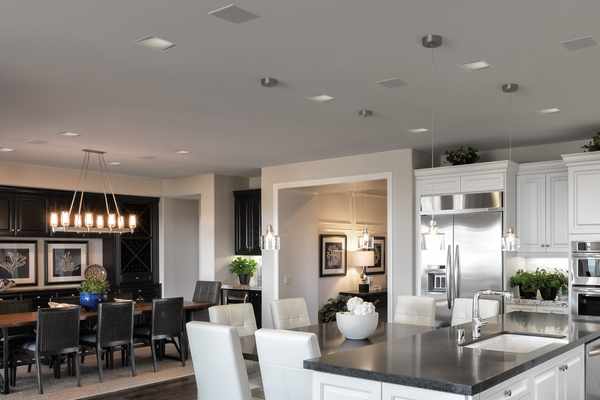
Tripping over a coiled snake of heavy gauge audio wire to get to your sofa quickly ruins the aesthetic of a carefully designed living room. Trying to tuck bulky, floor-standing tower cabinets into corners means sacrificing valuable floor space and interrupting the natural flow of your home layout. Achieving rich, high-fidelity sound shouldn't require turning your family room into a cluttered electronics showroom. Choosing a high-quality ceiling speaker solves this spatial conflict instantly while maintaining incredible acoustic performance.
Our local architectural audio experts have mapped out countless whole-house audio solutions that hide the technology completely out of sight. At Smart Automation Solutions, we specialize in helping homeowners navigate the complex world of flush-mounted audio systems. This guide breaks down exactly what technical specifications matter, the differences between active and passive setups, and how to plan for a flawless multi-room installation.
Upgrade Your Home Audio Today
Connect with our experts to design a hidden acoustic system tailored to your space.
Explore home audio solutionsKey Takeaways
- Passive vs. Active Distinctions: Passive systems require an external amplifier and offer better multi-room scalability, while active models feature built-in power ideal for single-room retrofits.
- Purpose-Driven Placement: Different rooms require specific acoustic features, like pivoting tweeters for home theaters or moisture-resistant grilles for bathroom installations.
- Pre-Installation Planning: Proper mounting depth, joist spacing, and acoustic fire hoods are absolute requirements before running any in-ceiling wire.
Why Upgrading to Architectural Audio Transforms Your Space
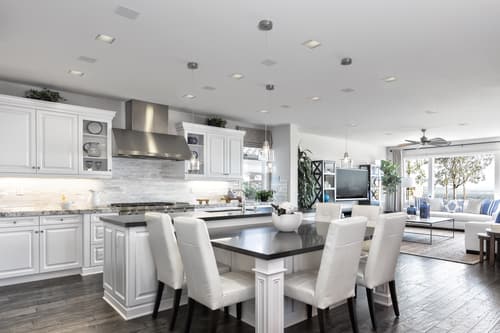
The shift from heavy floor-standing equipment to invisible, flush mount speakers completely changes how you interact with music in your home. Tucking a ceiling speaker securely into the drywall keeps sightlines clear and maximizes your usable square footage. Your interior design takes center stage while the technology remains heard but rarely seen.
Modern acoustic engineering allows these low-profile units to rival the soundstage presence of traditional cabinets. We often see homeowners surprised by the massive spatial audio effects generated from overhead placement. This category of architectural audio provides rich, multi-dimensional sound without dominating your floor plan.
Passive vs. Active Ceiling Speakers Explained
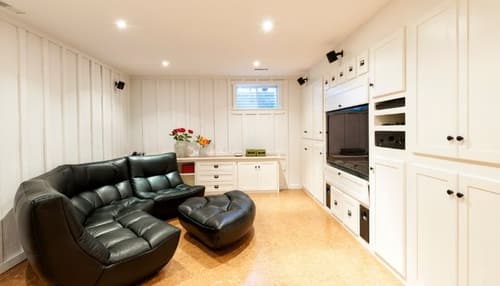
Understanding the power source is the first step in planning a whole-house audio system. Manufacturers build these units in two distinct configurations that determine how your system connects to your music sources.
- Passive Systems: These units require an external amplifier, matrix, or AV receiver to generate sound. We strongly favor passive speakers centralized at an equipment rack for reliable, highly scalable multi-room audio.
- Active Systems: These feature built-in amplifiers and wireless connectivity right out of the box. They plug directly into a local power source and operate independently from a central rack.
- Installation Scope: Active options are generally better for single-room DIY retrofits where running long speaker wire through existing walls is impossible.
Essential Sound Features to Check Before Buying
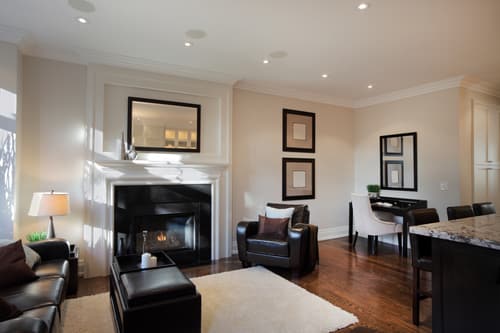
Translating technical audio jargon into real-world listening benefits helps you pick the right hardware. The performance of the best ceiling speakers relies heavily on a few critical internal components.
Decoding Audio Specifications
The numbers on the back of the box dictate exactly how clear your music will sound at high volumes.
- Wattage Rating: A proper ceiling speaker wattage rating indicates how much continuous power the unit can safely handle from your amplifier without distorting the sound.
- Impedance Levels: Usually measured in ohms, this metric tells you how much electrical resistance the unit applies to the amplifier pushing the signal.
- Frequency Response: This range shows the lowest bass notes and highest treble notes the hardware can accurately reproduce in your room.
Material and Design Benefits
The physical construction of the driver heavily impacts audio clarity and directional control.
- Driver Materials: Stiff materials like Kevlar produce tight, accurate bass notes, while standard polypropylene offers a smoother midrange at a lower price point.
- Pivoting Tweeters: These flexible mounts allow you to physically aim the high-frequency sounds directly at your primary seating area for a highly targeted listening experience.
- Dual Voice Coil Designs: A DVC unit plays both the left and right stereo channels from a single housing, making it perfect for generating a stereo image in confined spaces like hallways.
The Pros and Cons of a Ceiling Speaker System
Investing in overhead audio offers massive aesthetic benefits but requires careful planning and structural access. Understanding the specific trade-offs helps determine if this approach fits your renovation budget and daily listening habits.
Pros
Zero Floor Clutter
Removing bulky cabinets opens up your floor plan and eliminates tripping hazards from tangled speaker wires.
Immersive Soundscapes
Placing audio channels directly overhead creates a realistic, theater-like atmosphere for movies and spatial audio tracks.
Customizable Aesthetics
Flush magnetic grilles can be painted to match your exact drywall color for a nearly invisible visual footprint.
Whole-Home Consistency
You can easily link multiple architectural speakers together to play synchronized background music during large gatherings.
Cons
Complex Installation
Running cables behind finished drywall and cutting perfect mounting holes requires advanced planning and specialized tools.
Permanent Placement
Once you commit to a specific ceiling speaker placement and cut the drywall, reconfiguring your room layout later becomes highly restrictive.
How Room Size and Environment Impact Speaker Choice

Every room in your house features different acoustic challenges and environmental hazards. A standard paper cone driver will quickly warp and fail if installed directly above a steamy shower enclosure. You must select models built specifically for the environment they will live in.
Moisture-resistant ceiling speakers with IP-rated grilles are absolutely mandatory for bathroom and kitchen zones. Hallways and large dining rooms benefit greatly from wide-dispersion models that spread audio evenly across a large footprint. When setting up a dedicated home theater, you need angled baffles for your left, center, and right channels. These angled drivers physically point the dialogue directly at the couch rather than firing straight down at the floor.
Comparing Ceiling Speaker Configurations by Room Use
| Room Use Case | Recommended Speaker Size | Tweeter Type | Enclosure Needs | Amplification Type |
|---|---|---|---|---|
| Background Audio | 6.5-inch driver | Fixed direction | Standard open back | Centralized passive |
| Critical Listening | 8-inch driver | Pivoting assembly | Sealed backbox | Centralized passive |
| Home Theater | 8-inch angled driver | Pivoting assembly | Acoustic fire hood | Dedicated AV receiver |
| Wet Areas | 6.5-inch marine driver | Fixed direction | Sealed backbox | Centralized passive |
What to Know About Wiring and Installing a Ceiling Speaker

Proper physical preparation prevents costly drywall repairs and poor acoustic performance down the line. Before performing a ceiling speaker installation, you must map out your joist spacing and verify the ceiling cavity depth. Hitting a hidden plumbing pipe or structural beam mid-cut is an expensive and frustrating mistake.
- Pre-Wiring Standards: We always recommend running a high-quality 14-gauge speaker wire instead of the standard 16-gauge if your cable runs exceed 50 feet back to the amplifier. This simple upgrade prevents signal degradation and keeps the power delivery strong across long distances.
- Safety Enclosures: Using acoustic fire hoods behind the driver is another vital step for structural safety and audio performance.
- Sound Isolation: These protective backboxes maintain building code compliance and significantly reduce sound bleed leaking into the floor above you.
Upgrade Your Sound with the Perfect Ceiling Speaker
Matching your speaker specifications to the intended room use guarantees an incredible acoustic experience without visual clutter. Planning your pre-wiring routes and checking your available cavity depth early makes the installation process highly predictable and safe.
At Smart Automation Solutions, we provide custom acoustic planning and professional pre-wiring tailored specifically to your property. Our local technicians manage every step of your smart home audio integration to deliver reliable, high-performance sound throughout your living spaces. Contact our team today to start designing a truly invisible audio network for your home.
Frequently Asked Questions about Ceiling Speakers
Passive ceiling speakers require a separate amplifier or AV receiver to power the audio signal. Active models do not need an external amplifier because they feature integrated power modules built directly into the housing.
An 8-inch ceiling speaker pushes more air and produces significantly deeper bass frequencies than a 6.5-inch model. The smaller 6.5-inch version provides excellent mid-range clarity and is generally preferred for casual background audio in smaller rooms.
You can absolutely use a ceiling speaker for the rear surround and Dolby Atmos overhead channels in a home theater setup. Using overhead drivers for these specific channels creates a highly immersive, three-dimensional audio canopy above the seating area.
Most standard models require a minimum ceiling speaker depth of four to six inches behind the drywall to fit safely. You must measure the ceiling cavity and account for any required acoustic fire hoods before selecting your specific hardware.
We highly recommend adding a dedicated subwoofer because flush-mounted ceiling drivers struggle to reproduce ultra-low bass frequencies. A separate subwoofer handles the heavy low-end notes, allowing the overhead drivers to focus entirely on clear vocals and crisp treble.
You can safely install them in wet areas only if you purchase specific moisture-resistant models. These specialized units use IP-rated grilles and synthetic driver materials to prevent steam and humidity from destroying the internal electronics.
Why Trust Smart Home Solutions?
At Smart Automation Solutions, trust is built on a decade of proven expertise in transforming Gaithersburg-area homes into intelligent, efficient, and luxurious living spaces. Whether you're seeking precision lighting design that sets the perfect mood, seamless home automation for effortless control, elegant motorized shading for privacy and energy savings, immersive home AV and dedicated theater/media rooms, vibrant outdoor entertainment areas, rock-solid home networking, or layered home security systems, our Crestron- and Control4-certified team delivers fully customized, future-proof solutions backed by meticulous installation and white-glove service. We partner only with industry-leading brands, prioritize clear communication from consultation through post-install support, and stand behind every project with warranties and ongoing maintenance, ensuring your investment performs flawlessly for years. Homeowners across the D.C. metro trust us because we don’t just install technology; we craft personalized lifestyles. Contact us today at 240-242-7272 and discover why your smart home journey starts here.