
At a Glance
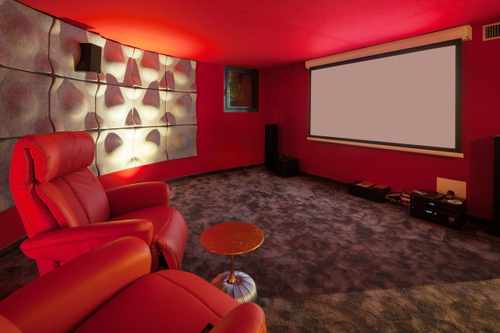
Room dimensions determine how sound moves through space. Small rooms often trap bass, while large rooms can create echoes that drown out dialogue. You need to measure your room before buying any hardware. If the room is a perfect square, you will likely face audio issues. Rectangular rooms are better for sound wave dispersion. We often see standing waves in poorly planned rooms, which happen when sound bounces between parallel walls and causes certain notes to become too loud or vanish entirely.
Ambient light control is another vital factor. If your room has many windows, it dictates your display choice. High-brightness flat panels work well in sunlit rooms. Projectors need a dark environment to show deep blacks and vibrant colors. You should plan for blackout curtains or motorized shades to keep the room dark. This planning stage is the best time for a professional consultation. Fixing architectural mistakes later is expensive and difficult.
The home theater seating arrangement is the heart of your layout. You want to find the "sweet spot" where the screen fills your field of vision without causing neck strain. This spot is also where the speakers are perfectly timed to reach your ears at once. Avoid placing your main seats against the back wall. This position often results in muddy bass and poor surround effects.
Display Technologies: Projectors vs. Flat Panels
| Metric | Projectors | Flat Panels |
|---|---|---|
| Screen Size Capabilities | Up to 150+ inches | Generally up to 98 inches |
| Ambient Light Tolerance | Low (Requires dark room) | High (Excellent for bright rooms) |
| Installation Complexity | High (Requires mounting and screen) | Moderate (Standard wall mount) |
| Long-term Maintenance | Requires bulb or laser checks | Minimal maintenance |
| Best Use Case | Dedicated Cinema | Living Room Hybrid |
Selecting High-Performance Components
The AV receiver is the brain of your entire system. It switches your video sources and provides power to your speakers. You need a receiver that supports the latest video formats and has enough channels for your future needs. For the audio, you need LCR speakers for the front of the room. These are the Left, Center, and Right channels. The center channel is the most important because it handles almost all the dialogue.
You must choose between active and passive speakers. Active speakers have built-in amplifiers and need a power outlet. Passive speakers are more common in home theaters and get their power directly from the receiver. Always match the impedance and power handling of your speakers to your receiver. If you underpower a high-end speaker, you risk clipping the signal and damaging the hardware.
Identifying the best home theater components means looking past flashy marketing. Quality gear uses heavy-duty magnets and high-grade capacitors. We recommend looking for units that offer future-proofing features like 8K pass-through and Dolby Atmos processing. This allows your system to stay relevant as new movie formats are released. High-performance source players, like 4K Blu-ray decks, provide much higher bitrates than streaming apps, which means better detail and fewer digital artifacts.
Advantages and Disadvantages of DIY Home Theater Setup
Setting up a system on your own can be a fun weekend project that saves you money on labor costs. However, without professional tools and experience, you might leave a significant amount of your equipment's performance on the table.
Pros
Saves money on professional labor fees.
Offers a sense of personal accomplishment.
Provides a deep understanding of your own gear.
Allows for a flexible timeline during the build.
Cons
Leads to messy visible wiring and clutter.
Risks damage to expensive components during mounting.
Often results in poor audio calibration.
Lacks the network stability needed for 4K streaming.
Achieving Sonic Perfection Through Precise Calibration
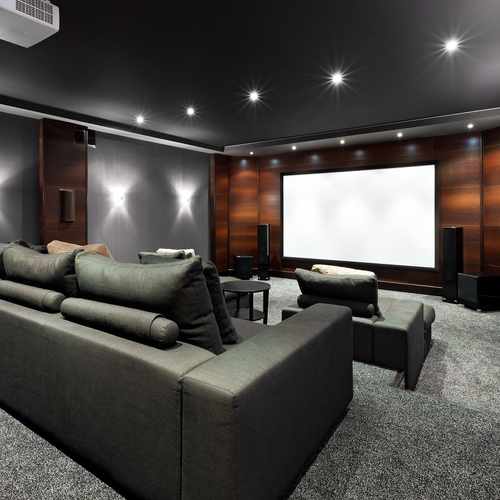
The number of speakers you use defines your layout. A 5.1 system is the standard. A 7.1 channel layout adds two speakers behind the listener for a more immersive feel. If you want the ultimate experience, a dolby atmos setup guide will show you how to add height speakers. These height channels allow sound to move over your head, making it feel like rain is falling or a plane is flying across your ceiling.
Speaker placement is a science. Use the "Triangle Rule" for your front speakers. Your head and the two front speakers should form an equilateral triangle. If the speakers are too close together, the soundstage feels narrow. If they are too far apart, there is a "hole" in the middle of the sound. Acoustic room treatment helps manage reflections. Bass traps in the corners prevent low-end buildup, while diffusers on the side walls keep the sound lively but controlled.
Placing a subwoofer directly against a wall can cause "one-note bass" where every low frequency sounds like the same muddy thud. Instead, use a calibration microphone and software like Dirac Live or Audyssey. This software measures the acoustic flaws in your room and creates a digital filter to fix them. It balances frequencies so your subwoofers blend perfectly with your small speakers. Proper av receiver calibration is the difference between noise and a true cinematic experience.
Smart Control and Integrated Automation

Managing a modern theater with five different remotes is a headache. You want a system where one button press starts the show. Smart automation systems can link your lights, shades, and gear together. When you hit "Play," the lights should dim slowly while the projector starts up. This level of control makes the room easy for anyone in the family to use without a technical manual.
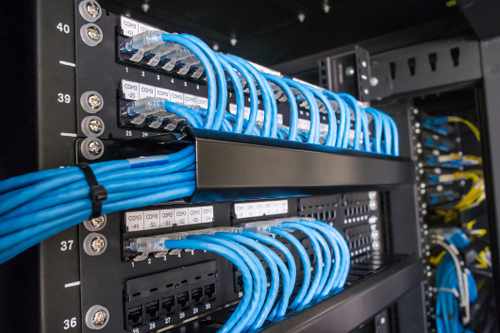
Visual clutter ruins the cinema vibe. High-end theaters use hidden cabling and professional rack management. We keep the wires tucked away in a ventilated equipment rack. This prevents your gear from overheating and keeps your room looking like a designer space. Professionals know how to route 4k projector installation wires through walls and ceilings so you never see a dangling cord.
Reliability is the most important part of smart home theater control. Streaming high-bitrate 4K content requires a robust network. Most home Wi-Fi routers cannot handle the data load of a high-end theater and multiple phones at once. We configure dedicated network switches to give your theater a clear path for data. This eliminates buffering and ensures your smart controls respond instantly every time. Professional programming makes sure all these complex parts work as one simple unit.
Transforming Your Vision into Reality with Expert Help
Building a professional theater requires three main pillars: strategic planning, component synergy, and precise calibration. If you miss one, the whole experience suffers. While setting up a basic system is a common DIY task, professional integration makes sure you utilize 100% of your equipment's capability. You don't want to spend thousands on gear and only hear half of what it can do.
At Smart Automation Solutions, we specialize in taking the guesswork out of your home cinema. Our team provides custom design, clean rack management, and expert calibration that big-box stores simply cannot offer. We stay with you long after the installation to provide ongoing support and system updates. Visit our showroom today to see how we can transform your home into the ultimate theater.
Frequently Asked Questions about Home Theater Setup
A rectangular room measuring at least 15 by 20 feet provides enough space for multiple rows of seating and proper speaker distance. This size allows for better sound wave management and helps avoid the cramped feeling of smaller converted bedrooms.
You should choose a 4K projector if you want a screen larger than 100 inches in a light-controlled room, but opt for a TV if you plan to watch with the lights on. Projectors offer the most authentic cinema scale, while modern TVs provide better brightness and contrast for multipurpose living areas.
Acoustic treatment controls how sound bounces off hard surfaces like drywall and glass to prevent echoes and muddy audio. Without these panels, even the most expensive speakers will sound harsh and dialogue will be difficult to understand.
A 5.1 system uses five speakers and one subwoofer, whereas a 7.1 system adds two additional rear surround speakers for a more detailed soundstage behind the listener. The 7.1 layout is better for larger rooms where there is more space behind the seating area to fill with sound.
You can hide cables by running them through in-wall conduits or using surface-mount raceways that match your trim. For the cleanest look, professionals install an equipment rack in a nearby closet to keep all the bulkier wiring and components out of sight.
A professional uses specialized microphones and software to fix room-specific audio issues that basic automatic setup programs often miss. Expert calibration ensures your speakers are perfectly timed and balanced, which protects your equipment and maximizes sound quality.
Why Trust Smart Home Solutions?
At Smart Automation Solutions, trust is built on a decade of proven expertise in transforming Gaithersburg-area homes into intelligent, efficient, and luxurious living spaces. Whether you're seeking precision lighting design that sets the perfect mood, seamless home automation for effortless control, elegant motorized shading for privacy and energy savings, immersive home AV and dedicated theater/media rooms, vibrant outdoor entertainment areas, rock-solid home networking, or layered home security systems, our Crestron- and Control4-certified team delivers fully customized, future-proof solutions backed by meticulous installation and white-glove service. We partner only with industry-leading brands, prioritize clear communication from consultation through post-install support, and stand behind every project with warranties and ongoing maintenance, ensuring your investment performs flawlessly for years. Homeowners across the D.C. metro trust us because we don’t just install technology; we craft personalized lifestyles. Contact us today at 240-242-7272 and discover why your smart home journey starts here.