
At a Glance:
The Science of Natural Light: How It Regulates the Internal Clock
The Impact of Lighting on Mental Health and Mood
Benefits of Human-Centric Lighting 2026
Room-by-Room Guide to Better Light
The Long-Term Health Benefits of Intentional Lighting
Why Trust Smart Automation Solutions
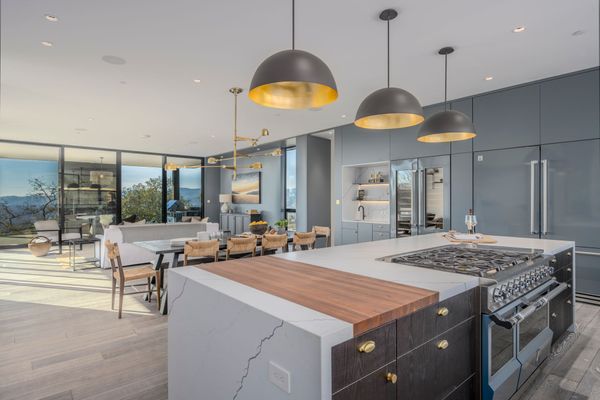
Have you ever noticed how a sun-drenched room can instantly lift your spirits? This is the power of light. Lighting design isn't just a utility; it's the invisible architect of our lives, influencing our mood, productivity, and comfort.
Our biological connection to light explains why a warm glow feels inviting while a flickering fluorescent feels draining. By making intentional choices about illumination, we can transform our homes into sanctuaries of performance and comfort. This guide explores how to use light to enhance your well-being.
Create the Perfect Home Lighting
Home lighting can significantly enhance your quality of life, from creating a better mood to increasing convenience at home. Discover how lighting can improve your daily routines. Contact Smart Automation Solutions today to speak with an expert!
Learn About Home Lighting Disign OptionsThe Science of Natural Light: How It Regulates the Internal Clock
The Biological Engine: Why Light Matters
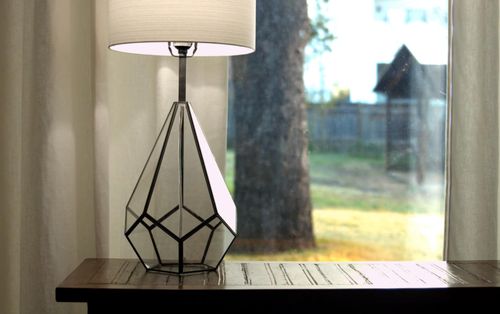
Picture your most energized mornings. That feeling is no accident. Natural light is your body's primary timekeeper, regulating the circadian rhythm—the 24-hour cycle influencing alertness and sleep.
Light signals the brain's internal clock. Bright morning light promotes alertness, while fading light cues the body to wind down. Modern indoor life often disrupts this cycle, leading to fatigue and poor sleep.
This is where the benefits of human-centric lighting 2026 become clear. It mimics the sun's natural patterns indoors through optimized scheduling and spectrum control.
An effective circadian lighting routine uses intentional timing:
- Morning: Bright, cool light supports alertness.
- Midday: Strong light aids focus.
- Evening: Dim, warm light prepares the body for sleep.
Modern lighting design makes this easy, especially with smart lighting systems that automate these routines. The impact of lighting on mental health and mood is significant, as research links light timing and sleep quality to overall well-being.
A Deep Dive into Color Temperature (Kelvin Scale) and Emotional Impact
Lighting Color Temperature for Productivity
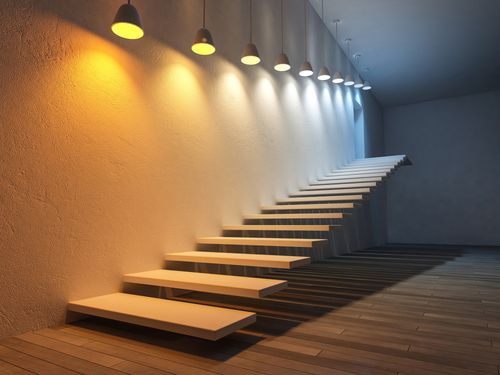
The "feel" of a room often comes down to its light color temperature, measured in Kelvins (K). Lower Kelvins (around 2,700K) create a warm, amber glow, while mid-range temperatures (3,000K-3,500K) appear as soft white. Higher Kelvins (4,000K-5,000K) produce a cool, daylight-like light.
Lighting Color Temperature for Productivity
Effective lighting design uses this spectrum as a tool. Choosing the right lighting color temperature for productivity means matching the light to the task and time of day.
- Warm (2,200K-2,700K): Cozy and calming. This range is ideal for mood lighting that encourages relaxation.
- Neutral (3,000K-3,500K): Balanced and welcoming, suitable for general living areas.
- Cool (4,000K-5,000K): Crisp and energizing. This light promotes alertness, making it great for focused work.
The brain interprets cooler light as daytime, which is why a higher lighting color temperature for productivity can help during work sessions. However, avoiding harshness is key.
A practical approach:
- Maintain a consistent temperature range within each room.
- Use 4,000K-5,000K for work zones, with good glare control.
- Use 2,700K or warmer in rest areas to support circadian lighting.
- Consider tunable fixtures that adapt throughout the day, a key aspect of the benefits of human-centric lighting 2026.
If focus wanes in the afternoon, the problem might be bulb choice. Adjusting the lighting color temperature for productivity and refining the overall lighting design can restore a natural sense of concentration.
How to Reduce Eye Strain with Lighting
Endless screen time has made eye fatigue a common issue. While computers often take the blame, the surrounding light environment is a major factor. Learning how to reduce eye strain with lighting means managing contrast and glare.
Working on a bright screen in a dark room forces your eyes to constantly readjust. To create a more comfortable workspace:
- Add Bias Lighting: Use soft, ambient light behind the monitor to reduce screen harshness and soften room contrast.
- Position Task Lighting: Shine an adjustable lamp directly onto paperwork, not the screen, to prevent glare.
- Balance Your Light: Match the room's overall brightness to your screen's brightness to prevent constant eye readjustment.
Learn more: Professional Home Theater Installation Benefits Explained
The Impact of Lighting on Mental Health and Mood
The psychological impact of lighting mental health and mood is profound. Light is a powerful tool for emotional regulation; a dark, gloomy day can make you feel lethargic, and this effect is measurable.
- Seasonal Affective Disorder (SAD): This condition is directly caused by a lack of natural light. A poorly lit home can create similar feelings of sadness and low energy.
- Preventative Mental Wellness: Light exposure triggers serotonin, the hormone that elevates mood. Maximizing natural light and supplementing with high-quality artificial light creates a more positive home environment.
Conversely, mood lighting in the evening helps the mind relax. The soft glow of a dimmable lamp signals safety to the brain, helping the nervous system calm down. Dimming bright lights and using warm lamps offers immediate relief from daily stress.
The Art of Layered Lighting
A single overhead light creates a flat, shadowy room. Instead, professionals use layered lighting to add dimension and make lighting design feel intentional. This approach is the fastest way to improve a room's atmosphere.
The Three Layers Explained: Ambient, Task, and Accent
1) Ambient Lighting (the foundation)
Ambient lighting provides overall illumination for safe navigation. Often coming from recessed or flush-mount fixtures, it's the base layer of light. For efficiency, select fixtures with ENERGY STAR® certification.
2) Task Lighting (the workhorse)
Task lighting focuses on specific activities like cooking or reading, which is crucial for lighting color temperature for productivity. Proper, adjustable task lighting is key to understanding how to reduce eye strain with lighting.
3) Accent Lighting (the mood maker)
Accent lighting creates visual interest by highlighting features like artwork or plants. It can also establish mood lighting by creating soft shadows and pockets of light.
A Quick “Layered Lighting” Setup Formula
- Ambient Light: Start with general, room-filling light.
- Task Lighting: Add focused light for specific activities.
- Accent Lighting: Finish with two to four accent points for depth.
This layered lighting strategy allows a room to adapt from bright and focused to soft and calming. This flexibility is a core principle of circadian lighting, making it easier to lower light intensity in the evening to support your natural rhythm.
Benefits of Human-Centric Lighting 2026
When we talk about wellness, a key focus is the benefits of human-centric lighting in 2026. This approach uses "tunable" white light to mimic natural sunlight, which supports our biological systems. Its main advantage is stabilizing the body's internal clock.
Key benefits include:
- Improved Energy and Sleep: Proper lighting enhances daytime energy and promotes better sleep.
- Holistic Wellness Environments: Human-centric lighting can integrate with other smart home metrics like air quality and temperature.
- Supportive Living Spaces: This design method creates a home that actively supports its inhabitants' health.
How Smart Automation Solutions Can Implement These Designs Seamlessly
Smart Lighting Systems and Automation
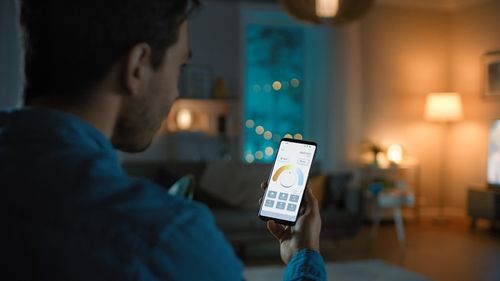
Motivation is powerful, but consistency brings results. A lighting design should function seamlessly even on hectic days. That’s where smart lighting systems are a practical upgrade. They can automatically adjust brightness, color temperature, and timing to energize you in the morning and calm you at night, creating the backbone of circadian lighting.
What smart automation can do well:
- Scheduled scenes: A "Morning Focus" scene can provide a cool white light, creating a strong lighting color temperature for productivity.
- Evening wind-down: Automatically dim and warm lights after dinner to prepare the body for sleep, highlighting the benefits of human-centric lighting 2026.
- Occupancy and vacancy sensing: Lights activate upon entry and turn off when a room is empty to reduce energy waste.
- Whole-home consistency: Control multiple fixtures as a single, unified system.
- Glare reduction habits: Maintain ambient light so screens are not the only bright object, which is key for understanding how to reduce eye strain with lighting.
A reliable setup combines dimmable ENERGYSTAR® certified LEDs, smart switches, and a central hub.
Scene examples that make the design feel effortless:
- Morning: Bedroom lights gradually brighten.
- Work Block: Office lighting shifts to the ideal lighting color temperature for productivity.
- Reset: The living room switches to warm, accent-heavy mood lighting.
- Sleep: Bedroom lights dim to a very low, warm level to support circadian lighting before bed.
Smart automation also enhances security with occupancy mimicry modes. The biggest advantage is that it removes friction from daily routines, ensuring the lighting plan is followed consistently. This is modern lighting design fulfilling its true purpose. For any project, Smart Automation Solutions will guide you in choosing the right innovations.
Room-by-Room Guide to Better Light
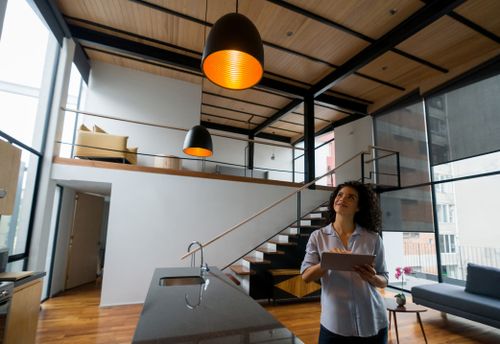
Let's apply these principles to each room's function. Great lighting design creates a system that supports focus, connection, and recovery.
The Home Office (Productivity and Focus)
Proper lighting design in a home office promotes a state of flow.
The goal: Achieve stable, low-glare light with a clear lighting color temperature for productivity.
- Daylight & Task Lighting: Position desks near side windows and use adjustable lamps to prevent screen glare.
- Color Temperature & Bias Light: Use a lighting color temperature for productivity between 4,000K-5,000K. Add soft light behind monitors to learn how to reduce eye strain with lighting.
The Living Room (Versatility and Connection)
Living rooms require adaptable lighting for various activities, making layered lighting essential to good lighting design.
The goal: Create a versatile light that shifts from bright for activities to warm for relaxation.
- Layers: Combine dimmable ambient fixtures, task lamps for reading, and accent lights to add depth.
- Mood: This room is perfect for mood lighting. Warm, dimmable light demonstrates the impact of lighting mental health and mood.
The Bedroom (Relaxation and Sleep Quality)
Effective lighting design supports a consistent wind-down routine, making circadian lighting a practical tool.
The goal: Use warm, dimmable light to protect melatonin production.
- Warmth & Diffusion: Choose warm bulbs (2,700K or lower) and use shades to soften light.
- Routine: Dim lights 60-90 minutes before sleep to support circadian lighting, reserving bright light for mornings. This has a positive long-term impact of lighting mental health and mood.
Practical Steps for a Lighting Audit
Ready to improve a home's lighting? A lighting audit is an excellent starting point. This simple checklist helps identify areas for improvement.
First, check light bulb colors for consistency within each room. Mixing warm and cool tones can feel unsettling.
- Identify Shadows: Walk through the home at night to find dark corners. These spots are ideal for an accent lamp or wall sconce to add warmth.
- Assess Glare: Sit in common areas and note reflections on screens. Repositioning fixtures can create a softer glow and reduce eye strain.
- Evaluate Control: Can the lights be dimmed? Installing dimmer switches is a cost-effective way to improve lighting design by offering flexibility.
- Embrace Nature: Consider how natural light is utilized. Sheer fabrics can maintain privacy while letting sunlight in.
The Long-Term Health Benefits of Intentional Lighting

The benefits of good lighting design multiply over time. Small improvements today compound into better days, months, and years. This shift toward wellness is why the benefits of human-centric lighting 2026 are becoming a standard for modern homes.
Long-term benefits of intentional lighting include:
- More consistent sleep timing: Proper evening light supports melatonin production, improving sleep, which is vital for learning and memory.
- Steadier daytime energy: Aligning with circadian lighting principles during the day can help reduce fatigue.
- Reduced visual fatigue: Smart glare control and ambient light levels help answer how to reduce eye strain with lighting.
- Improved emotional comfort at home: The impact of lighting mental health and mood is clear. Bright light can motivate, while warm light promotes relaxation.
- More sustainable energy use: Efficient LEDs and ENERGYSTAR® products cut energy waste and can make rooms more comfortable.
Learn more: How Circadian Lighting Can Transform Your Sleep and Mood
A “How To” Lighting Design Plan That Works in Real Life
Ready to put this knowledge into action? Here’s a practical plan for better lighting design.
How to audit a room in 10 minutes
First, assess your current setup.
- At night, find the darkest corner to see where your ambient light doesn't reach.
- Sit in your main activity spot—a desk or reading chair—and check for glare on screens.
- Look at your light bulbs. Are you mixing warm and cool light by accident?
- Does the room have true layered lighting, or just one overhead fixture?
How to fix it without overthinking it
Once you have your audit results, making improvements is simple.
- Add ambient, task, and accent lighting to create depth.
- Install dimmers to easily adjust the mood and intensity.
- Use a clear lighting color temperature for productivity in work zones.
- In rest zones, use warm, low-intensity light for good circadian lighting.
- For an automated solution, smart lighting systems can manage settings for you.
The Power of Intention
Light is a powerful tool. Investing in proper lighting design means investing in better focus, recovery, and mood. This is a strategic choice for well-being.
Small changes make a big difference quickly. A single dimmer can alter a room's atmosphere, while a better bulb can improve focus. A simple scene that shifts into mood lighting at the right time signals the body to relax.
For anyone chasing bigger goals and stronger mornings, light is the quiet advantage.
Learn more: 2026 Smart Home Trends: Must-Have Automation Upgrades
Frequently Asked Questions
Good lighting design improves comfort, safety, and performance. Beyond basic visibility, it addresses human needs. Circadian lighting stabilizes sleep-wake cycles, focused light boosts concentration, and warm light helps create relaxing evenings. It also shows you how to reduce eye strain with lighting by minimizing glare.
Productivity hinges on quality rest. Mood lighting helps the brain relax in the evening, leading to better sleep and sharper focus the next day. This supports consistent performance and a healthier work-life balance, demonstrating the impact of lighting mental health and mood.
The timing and spectrum of light affect the production of melatonin, the sleep-regulating hormone. Bright, cool-toned light at night can disrupt sleep by increasing alertness, while warmer, dimmer light helps the body relax. A core part of the benefits of human-centric lighting 2026 is its use of dynamic lighting that adjusts throughout the day. This promotes healthier circadian lighting patterns.
Absolutely. Smart lighting systems can increase home value by enhancing usability and efficiency. These systems offer a modern aesthetic and simplified daily routines, which are attractive qualities for many buyers. Pairing automation with efficient LEDs, especially ENERGYSTAR® certified options, makes for a strong selling point.
Why Trust Smart Home Solutions?
At Smart Automation Solutions, trust is built on a decade of proven expertise in transforming Gaithersburg-area homes into intelligent, efficient, and luxurious living spaces. Whether you're seeking precision lighting design that sets the perfect mood, seamless home automation for effortless control, elegant motorized shading for privacy and energy savings, immersive home AV and dedicated theater/media rooms, vibrant outdoor entertainment areas, rock-solid home networking, or layered home security systems, our Crestron- and Control4-certified team delivers fully customized, future-proof solutions backed by meticulous installation and white-glove service. We partner only with industry-leading brands, prioritize clear communication from consultation through post-install support, and stand behind every project with warranties and ongoing maintenance, ensuring your investment performs flawlessly for years. Homeowners across the D.C. metro trust us because we don’t just install technology; we craft personalized lifestyles. Contact us today at 240-242-7272 and discover why your smart home journey starts here.