
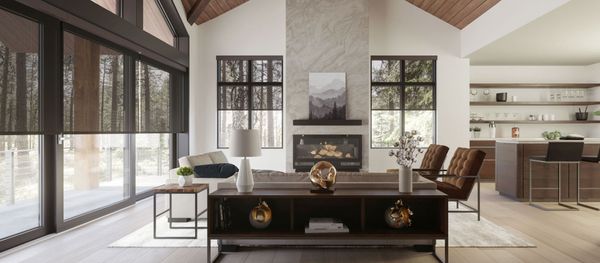
Waking up to glaring sunlight and spending the first ten minutes of your morning walking from room to room to yank down heavy drapes is a frustrating start to the day. The afternoon sun then bakes your living room, fading your expensive upholstery while you manually twist wands on out-of-reach windows. Trying to perfectly align multiple shades in a large bay window often feels like a daily chore that simply takes up too much time. Installing motorized shades instantly eliminates this manual repetition and gives you complete control over your home's natural light.
Our automation professionals have guided countless homeowners past these daily annoyances to design fully responsive window treatments. This guide will walk you through everything you need to know to make the right choice for your space. We will cover the differences between hardwired and battery-powered options, the best fabric opacities for specific rooms, and how to tie your new shading system into your broader home automation network.
Upgrade Your Home's Natural Light
Discover premium smart shading solutions customized for your exact windows and automation needs.
Key Takeaways
- Automated Convenience: Schedule your window treatments to adapt to the time of day, saving time and protecting your furniture from sun damage.
- Flexible Power Options: Choose between low-voltage hardwired motors for new builds or discrete battery-powered units for existing spaces.
- Smart Integration: Connect your window coverings directly to major automation platforms like Lutron, Control4, and Z-Wave for total home control.
Why Motorized Shades Are the Ultimate Smart Home Upgrade
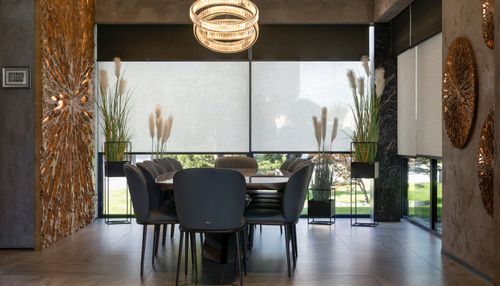
Window treatments have transitioned from basic manual pull-cords to highly sophisticated automated ecosystems. Beyond basic privacy, automated window treatments provide dynamic UV protection and ambient light management throughout the day. Direct sunlight quickly degrades luxury flooring, expensive artwork, and custom furniture. By programming your shades to lower automatically during peak sunlight hours, you actively protect your interior investments. This responsive architecture improves your home's aesthetic appeal while doing the heavy lifting of light management in the background.
Choosing Between Battery, Hardwired, and Solar Smart Blinds
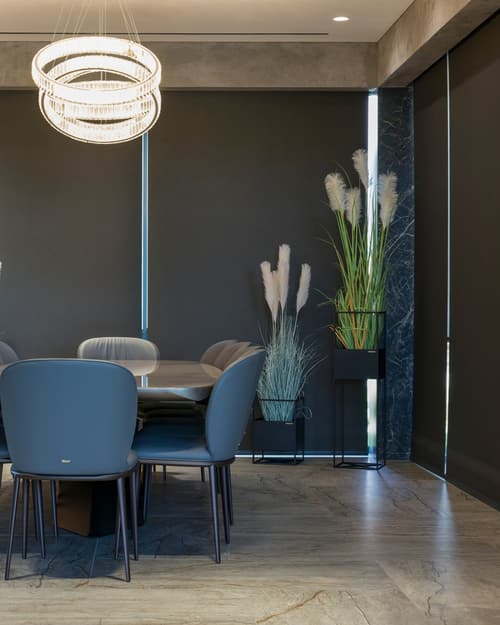
Selecting the right power delivery method is one of the most important decisions in your window treatment project. Homeowners undertaking new construction or deep renovations should prioritize low-voltage hardwired motorized blinds. Hardwiring provides continuous, reliable power for large shade groupings without ever needing battery swaps.
If you are retrofitting existing finished rooms where tearing open drywall is not an option, lithium battery-powered smart shades offer a highly practical alternative. Modern battery motors are incredibly quiet and can run for months or even years on a single charge. Solar-powered options attach a small photovoltaic strip to the window glass, trickling a charge to the internal battery.
| Power Option | Installation Complexity | Ideal Home Scenario | Long-Term Maintenance | Reliability/Motor Strength | Upfront Cost vs Long-Term ROI |
|---|---|---|---|---|---|
| Hardwired | Requires professional low-voltage wiring inside walls. | Perfect for new builds and extensive home remodels. | Zero maintenance required after the initial setup. | Highest strength available for lifting massive window spans. | Higher initial installation expense but excellent lifetime ROI. |
| Battery-Powered | Very simple installation with no wall routing required. | Ideal for retrofitting existing rooms with finished walls. | Requires occasional manual recharging or battery replacement. | Excellent strength for standard residential window dimensions. | Lower upfront cost but requires ongoing maintenance effort. |
| Solar-Powered | Simple bracket mounting with a small glass-facing panel. | Great for sunny, hard-to-reach windows in existing spaces. | Generally self-sustaining if exposed to adequate direct sunlight. | Good strength but dependent on consistent solar charging. | Moderate initial cost with practically zero ongoing energy expenses. |
Integrating Motorized Shades with Your Existing Smart Home

Connecting your window treatments to your broader home automation network transforms how you experience your space. Modern shade motors communicate flawlessly with leading platforms like Lutron, Control4, Crestron, Zigbee, and Z-Wave. Instead of operating shades individually, you can group them into highly responsive smart home shade integration routines.
Setting up automated routines allows your home to react to your lifestyle without manual input.
- Morning Wake Sequence: Program shades to slowly rise at a specific time to gently wake you with natural sunlight.
- Temperature Regulation: Tie your shades to your thermostat so they automatically drop when high afternoon heat is detected.
- Media Mode: Tap a single button to simultaneously dim the overhead lighting and lower the blackout automated shades in your theater room.
The Pros and Cons of Motorized Shades
Investing in automated window coverings requires understanding both the tremendous value they add and the practical trade-offs involved. While the convenience of smart integration and precise light control is unmatched, these systems represent a notable upgrade over traditional manual options. Our appliance experts often help homeowners weigh these factors to determine the best fit for their living spaces.
Pros
Effortless Convenience
Adjust hard-to-reach windows instantly with a remote, smartphone app, or voice command.
Enhanced Energy Efficiency
Automate your shades to block intense afternoon sun, reducing the cooling load on your HVAC system.
Increased Home Security
Schedule shades to raise and lower while you are on vacation to simulate an occupied house.
Superior Child Safety
Remove dangerous dangling cords entirely to create a significantly safer environment for children and pets.
Cons
Higher Upfront Investment
The custom motor technology and required network hubs make these systems more expensive than manual blinds.
Professional Setup Requirements
Achieving perfect alignment and hiding low-voltage wiring generally requires hiring a certified local integrator.
How to Prepare Your Windows for Motorized Shade Installation

Precise measurements and proper architectural housing are essential for a successful automated shade project. DIY measurements frequently fail because they overlook slight window frame variations, leading to fabric fraying or motor binding. Professional integrators understand exactly how to assess your frames to guarantee a flawless fit.
Inside Mount Considerations
Mounting shades inside the window frame provides a clean, custom look that highlights your decorative molding. However, you must carefully evaluate the available space before ordering. Always measure the window casing depth; most premium custom motorized roller shades require at least three inches of unobstructed depth for a flush inside mount. If your windows lack this depth, the housing will protrude awkwardly into the room.
Outside Mount Strategies
An outside mount involves installing the brackets directly onto the wall or trim above the window. This approach is highly effective for maximizing light blockage and making small windows appear much larger. Outside mounts also provide the necessary space to hide wiring behind custom valances or recessed ceiling pockets.
Selecting the Ideal Fabric, Opacity, and Design
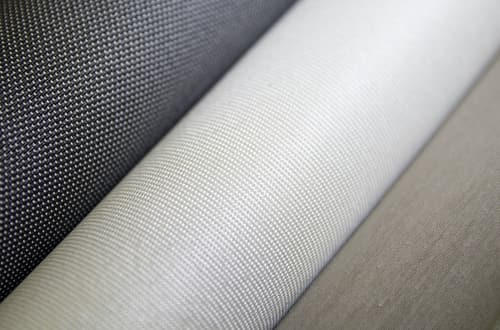
The fabric you choose dictates both the functional performance and the aesthetic impact of your automated window coverings. You can select from varying opacity percentages, sheer materials, and completely opaque light-blocking fabrics. Matching the specific material to the room's primary function guarantees optimal comfort.
Our design team recommends focusing on these room-specific applications:
- Home Offices: Choose a light-filtering fabric with 1 percent to 3 percent openness to eliminate harsh screen glare while preserving your view of the outdoors.
- Living Rooms: Utilize sheer materials that gently diffuse natural light and protect your upholstery without making the space feel dark.
- Media Rooms: Install heavy blackout automated shades on side channels to eliminate all light bleed during daytime viewings.
- Primary Bedrooms: Combine a blackout roller shade with a decorative sheer drape for maximum sleep quality and elegant daytime styling.
Transform Your Home with Professional Motorized Shades Installation
Upgrading to motorized shades gives you unprecedented control over your home's natural lighting, energy efficiency, and privacy. By selecting the right power options and custom fabrics, you can create a highly responsive environment that reacts to your daily schedule.
When you are ready to modernize your windows, consulting with Smart Automation Solutions guarantees a smooth, professional experience. Unlike off-the-shelf DIY kits, our local independent smart home integrators provide expert showroom guidance and flawless low-voltage hardwiring. We manage your complete home network integration and offer dedicated local post-installation support so your system performs perfectly for years to come.
Frequently Asked Questions About Motorized Shades
Installing motorized shades throughout an entire house typically costs between $3,000 and $10,000, depending on the home's size and the chosen fabrics. This pricing reflects the premium cost of motorized cassettes, custom textiles, and the professional labor required for correct integration.
You generally cannot install automated motors onto existing manual blinds because the mechanical headrails are not designed to house electronic drives. Retrofitting smart blinds usually requires replacing the entire shade mechanism with a purpose-built smart unit to maintain reliable operation.
The batteries in wireless smart blinds generally last between six months and one year on a single charge under standard daily use. Heavy, oversized window fabrics and frequent adjustments will drain the internal power cells faster than smaller, lightweight materials.
Hardwired motorized blinds will immediately stop functioning during a residential power outage unless they are connected to a backup home generator. Conversely, battery-powered and solar-powered units will continue to operate normally because they rely on their own independent energy sources.
Smart shades actively help reduce your cooling and heating energy bills by automatically blocking intense solar heat during summer afternoons. During the winter, programming your shades to open during the day captures natural solar heat, reducing the demand on your home furnace.
Modern automated shades are highly compatible with major smart home control systems, including Lutron, Control4, Crestron, and Z-Wave networks. Connecting these shading ecosystems through smart home automation hubs allows you to orchestrate lighting, climate, and privacy from a single unified interface.
Why Trust Smart Home Solutions?
At Smart Automation Solutions, trust is built on a decade of proven expertise in transforming Gaithersburg-area homes into intelligent, efficient, and luxurious living spaces. Whether you're seeking precision lighting design that sets the perfect mood, seamless home automation for effortless control, elegant motorized shading for privacy and energy savings, immersive home AV and dedicated theater/media rooms, vibrant outdoor entertainment areas, rock-solid home networking, or layered home security systems, our Crestron- and Control4-certified team delivers fully customized, future-proof solutions backed by meticulous installation and white-glove service. We partner only with industry-leading brands, prioritize clear communication from consultation through post-install support, and stand behind every project with warranties and ongoing maintenance, ensuring your investment performs flawlessly for years. Homeowners across the D.C. metro trust us because we don’t just install technology; we craft personalized lifestyles. Contact us today at 240-242-7272 and discover why your smart home journey starts here.